Featured
Table of Contents
Media relations is where your strategic messaging satisfies the real world of journalism, due dates, and completing stories. It's not almost sending news release. It has to do with understanding the,, and that determine whether your story gets covered or overlooked. These practices connect to core PR principles you'll see throughout the course:,,, and.
Understand why each practice works and what interaction principle it highlights. On examinations, you'll need to identify which finest practice applies to a given circumstance and discuss the reasoning behind it. Efficient media relations rests on, the idea that organizations and publics (consisting of reporters) establish connections through repeated, equally advantageous interactions gradually.
Journalists remember sources who provide precise information reliably, and they prevent sources who've burned them in the past. Understanding a press reporter's beat, interests, and past protection lionizes for their expertise. A generic mass e-mail signals that you haven't done your research. at market occasions and press instructions creates stronger connections than email-only contact.
Even a short check-in or sharing an appropriate pointer keeps you on a press reporter's radar. Never try to control or determine how reporters frame their stories.
The Future of Global Strategy By 2026
as an independent gatekeeper. Appreciating that function develops long-lasting trustworthiness even more than trying to work around it. Relationship Structure vs. Following Up: both concentrate on long-lasting connection, but relationship building takes place before you need coverage while follow-up nurtures connections after interactions. Strong responses demonstrate understanding of the complete relationship lifecycle.
News value decomposes quickly, so your ability to respond rapidly and prepare for deadlines directly impacts whether you get covered. A day-to-day newspaper press reporter on a 5 PM due date works under entirely various pressure than a regular monthly magazine writer. Digital outlets might publish around the clock. means timing announcements to take full advantage of protection capacity.
If a press reporter can't find you, they'll discover somebody else. Sluggish replies frequently indicate missed out on chances, because reporters move on to other sources fast.
Is Your Brand Strategy Prepared for 2026?
Due dates vs. Responsiveness: comprehending deadlines is proactive (preparing your outreach around publication schedules), while responsiveness is reactive (dealing with incoming queries under time pressure). Both test your grasp of how time pressure shapes journalist habits. The message building phase determines whether your pitch earns coverage or gets deleted. These practices apply and to develop content reporters in fact want to utilize.
Think: timeliness, impact, proximity, prominence, novelty. ways adjusting your angle to match what each outlet's readers care about. The same product launch gets pitched differently to a tech blog site versus a regional company journal. like appropriate quotes from named sources, verified information, and specialist commentary reinforce your pitch and make the reporter's job much easier.
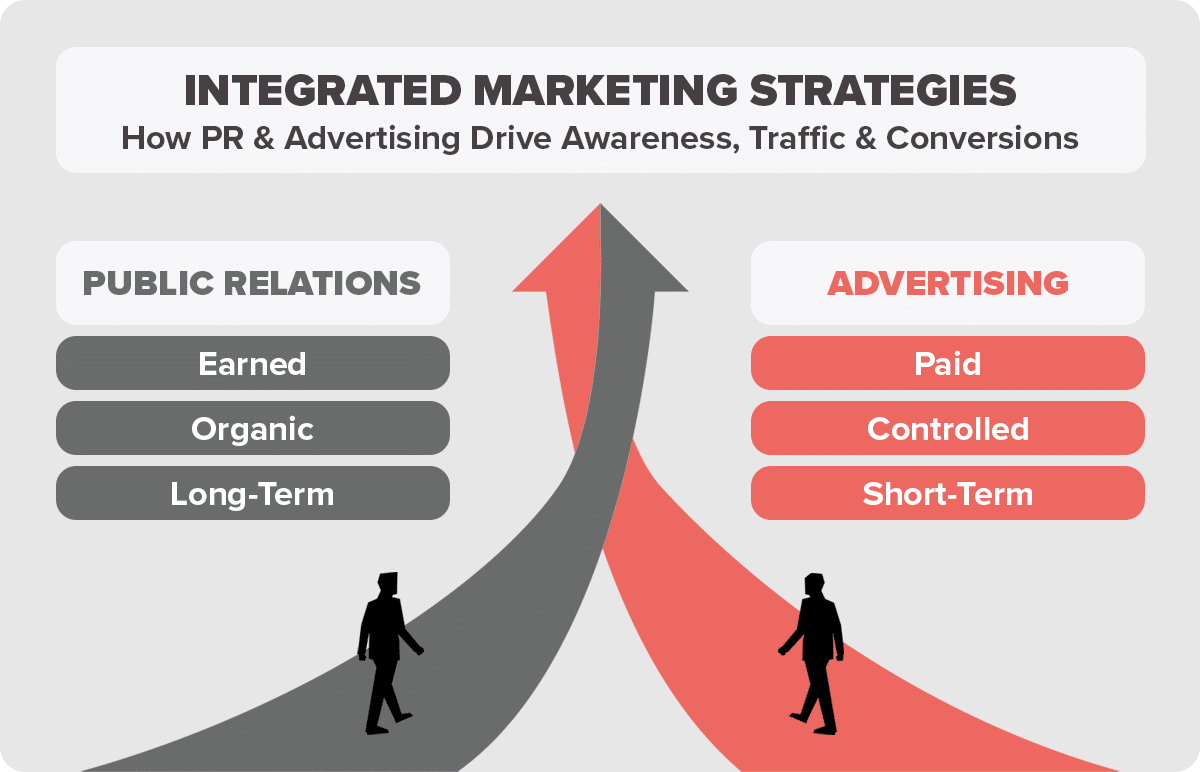
Every spokesperson needs to be working from the same strategic foundation. Believe about the hardest concern a reporter could ask, then prepare for it. If 2 individuals from your company state different things, press reporters see.
assistance representatives manage hostile or unexpected questions without freezing up or going off-message. Press Releases vs. Secret Messages: news release are external files sent to reporters, while essential messages are internal structures that direct all interactions. You might be asked to establish both for a single scenario. discusses why accuracy and dependability determine your long-term efficiency as a PR expert.
is non-negotiable. Double-check names, dates, statistics, and estimates before anything goes out. when information modifications show you respect precision over convenience. If you sent out incorrect data, fix it instantly rather than hoping no one notices. with reputable support strengthens your claims and safeguards versus difficulties from skeptical press reporters. differentiate your pitch from the dozens of others reporters receive daily.
Best Practices for Online Reputation Management
Offering one press reporter the story first can earn you much deeper, more beneficial protection. A special only works if the story is really worth the press reporter's time.
Modern media relations requires, suggesting you need to understand how different channels reach various audiences and require various content formats. ought to be based on target market analysis. Where does your intended audience in fact consume news? That's where your message needs to be. ways changing the very same core message for print, broadcast, and digital usage.
extend reach beyond traditional media to engaged online communities, though these require their own relationship-building approach. reveals what angles will resonate with each outlet's readership. A pitch to a trade publication emphasizes industry effect; the very same story pitched to a basic newspaper stresses community importance. adapts tone, length, and format to fit editorial choices.
Many reporters are active on platforms like X (formerly Twitter) and LinkedIn.
Key Benefits of Integrated Marketing for B2C
Conventional Media vs. Social Media: conventional channels offer reliability and broad reach through gatekeepers, while social media allows direct engagement but requires more active relationship upkeep. Crisis communication is media relations under maximum pressure.
Without a strategy, companies squander important time finding out the fundamentals. with clear roles prevents confusion and delays throughout high-stakes situations. Who speaks with the press? Who authorizes statements? Who monitors coverage? prepared beforehand enables fast, thoughtful action rather than reactive rushing. You can't compose a perfect statement in 20 minutes if you're going back to square one.
identifies trends in protection tone and framing gradually. Are stories getting more unfavorable? More favorable? Why? usages keeping an eye on data to improve future media approaches and catch prospective issues before they become crises. Crisis Planning vs. Tracking: planning is preparation for prospective issues, while monitoring is continuous intelligence event. Both feed into crisis preparedness, but tracking also notifies your routine media strategy day to day.
The Role of AI in Modern Search
Compare and contrast the function of key messages versus press releases. Explain how you would use channel technique concepts to take full advantage of protection across different audience segments.

Latest Posts
Best Media Relations Practices for Greater Impact
Improving Corporate Reputation in a AI Landscape
How Public Relations Drives ROI and Brand